ORT | CARNIVAL CONCERT
Once the concert has started, admission to the auditorium cannot be guaranteed.
To check seat availability, we recommend clicking on ‘Buy online’ below: the seating plan on TicketOne is always updated in real time.
This concert can be included in one of the season ticket formulas provided (from € 48.00 to € 250.00):
– ALL-INCLUSIVE (14 concerts)
– OCTET (8 concerts)
– DO-IT-YOURSELF (from 5 to 12 concerts)
– DIY OPEN (3 to 6 concerts)
For more information click here
Students of all levels (Italians and foreigners) pay a special price of €5.00 all inclusive (the ticket can only be purchased at the ticket office, NOT online)
Normal discounts apply to:
Over 65s
> Season ticket holders for the Theatre Season of Teatro Verdi
> ACI – ViaVai
> A.Gi.Mus Firenze
> ARCI Firenze
> Associazione Culturale “Il Trillo”
> FAI – Fondo Ambiente Italiano
> Fondazione Palazzo Strozzi (upon presentation of the ticket for the current exhibition)
> Italian Design Istitute
> Opera Santa Croce (upon presentation of the ticket for the visit carried out)
> Touring Club Italiano
> UniCoop – Firenze
> Università dell’Età Libera
> Welfare Interclub
For safety reasons, for spectators with a certified disability equal to or greater than 70% a reserved area is set aside near one of the exits at the back of the stalls (4 seats available for disabled people with mobility impairments and 5 seats for disabled people who are able to walk). These spectators are entitled to a reduced ticket and a free ticket for their service companion.
The purchase can be made EXCLUSIVELY by contacting the Teatro Verdi ticket office via email (info@teatroverdionlilne.it), by telephone at 055.21.23.20 or even in person.
Info
Carnival Concert
Orchestra della Toscana
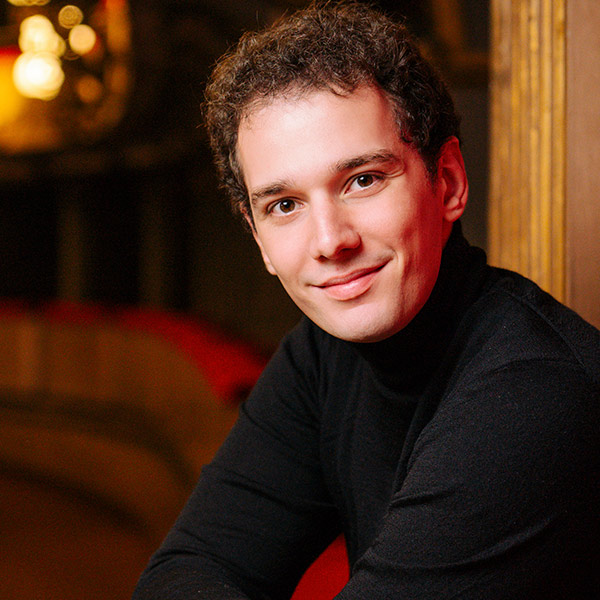
Jaume Santonja, conductor
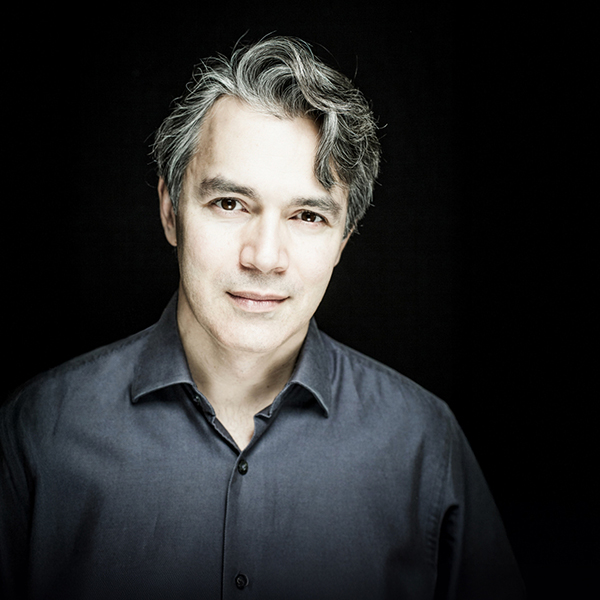
João Barradas, accordion
***
Programme:
Aaron Copland / Three Latin American Sketches
Astor Piazzolla / Aconcagua, concerto for accordion and orchestra
Gabriel Fauré / Masques et bergamasques, suite op. 112
Manuel de Falla / El amor brujo, suite
Rhythm, dance and orchestral colour guide the Carnival Concert conducted by Jaume Santonja.
The Orchestra della Toscana opens with Aaron Copland’s Three Latin American Sketches, followed by Astor Piazzolla’s Aconcagua, a concerto for bandoneon, performed here on the accordion by João Barradas. The transition from Latin America to Europe highlights different approaches to dance and theatrical gesture.
The second half juxtaposes Gabriel Fauré’s suite Masques et bergamasques, Op. 112 with Manuel de Falla’s suite from El amor brujo, in a journey that moves from French refinement to the theatrical power of Spanish music.