ORT | CHRISTMAS CONCERT
Once the concert has started, entry to the auditorium cannot be guaranteed.
To check seat availability, we recommend clicking on ‘Buy online’ below: the seating plan on TicketOne is always updated in real time.
This concert can be included in one of the season ticket formulas provided (from € 48.00 to € 250.00):
– ALL-INCLUSIVE (14 concerts)
– OCTET (8 concerts)
– DO-IT-YOURSELF (from 5 to 12 concerts)
– DIY OPEN (3 to 6 concerts)
For more information click here
Students of all levels (Italians and foreigners) pay a special price of €5.00 all inclusive (the ticket can only be purchased at the ticket office, NOT online)
Normal discounts apply to:
Over 65s
> Season ticket holders for the Theatre Season of Teatro Verdi
> ACI – ViaVai
> A.Gi.Mus Firenze
> ARCI Firenze
> Associazione Culturale “Il Trillo”
> FAI – Fondo Ambiente Italiano
> Fondazione Palazzo Strozzi (upon presentation of the ticket for the current exhibition)
> Italian Design Istitute
> Opera Santa Croce (upon presentation of the ticket for the visit carried out)
> Touring Club Italiano
> UniCoop – Firenze
> Università dell’Età Libera
> Welfare Interclub
For safety reasons, for spectators with a certified disability equal to or greater than 70% a reserved area is set aside near one of the exits at the back of the stalls (4 seats available for disabled people with mobility impairments and 5 seats for disabled people who are able to walk). These spectators are entitled to a reduced ticket and a free ticket for their service companion.
The purchase can be made EXCLUSIVELY by contacting the Teatro Verdi ticket office via email (info@teatroverdionlilne.it), by telephone at 055.21.23.20 or even in person.
Info
Christmas Concert
Orchestra della Toscana
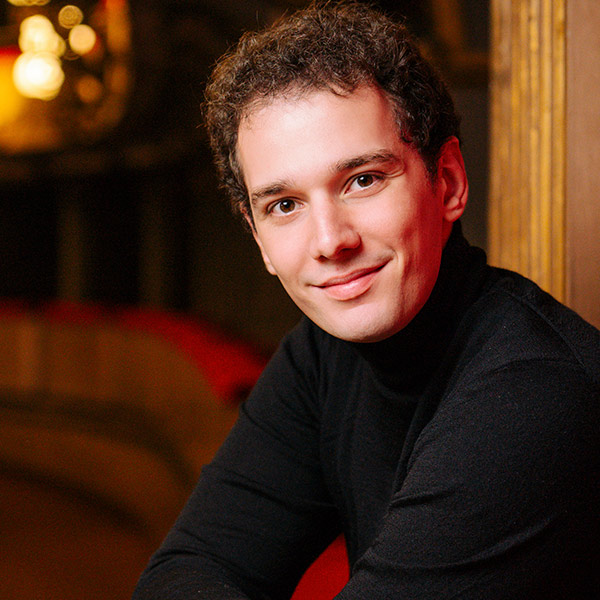
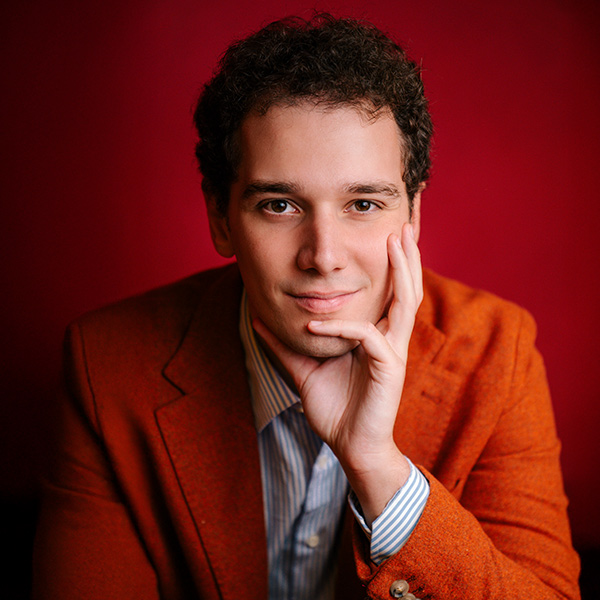
Diego Ceretta, conductor
***
Programme:
Johann Sebastian Bach – Ottorino Respighi / Three Chorales
Johannes Brahms / Variations on a Theme by Haydn, Op. 56a
Robert Schumann / Symphony No. 1, Op. 38 ‘Spring’
For the traditional Christmas Concert, Diego Ceretta conducts the Orchestra della Toscana in a programme combining Bach, Brahms and Schumann.
The concert opens with Johann Sebastian Bach’s Three Chorales for Organ in an orchestral transcription by Ottorino Respighi, who reinterprets Bach’s writing through the colours of the twentieth-century orchestra. This is followed by Variations on a Theme by Haydn, Op. 56a by Johannes Brahms, an example of formal balance and rich timbre, built upon a progressive transformation of the thematic material.
The concert concludes with Symphony No. 1, Op. 38 “Spring” by Robert Schumann, animated by a luminous character and a strong romantic impetus.